
Case Studies – Real-world commercial and residential projects across the capital.
Prepared by:
ACL Air Conditioning London

Case Studies
Prepared by:
ACL Air Conditioning London
ACL Air Conditioning London delivers bespoke climate control solutions for Commercial and Residential clients who need more than a standard installation. Every project begins with a detailed site review, an understanding of the property’s layout and operating demands, and a practical assessment of how the system can be installed with minimum disruption. Whether the brief calls for cassette air conditioning units in a busy commercial environment, a VRF Solution for a hospitality venue, or a discreet high-end residential retrofit, our focus is always the same: provide reliable performance, excellent energy efficiency, and a finish that suits the building and the people using it.
Our case studies below highlight the breadth of our work across London. They show how we solve problems around occupied properties, architectural preservation, complex zoning, tenant coordination, and interior design requirements while still delivering measurable comfort improvements and long-term value.
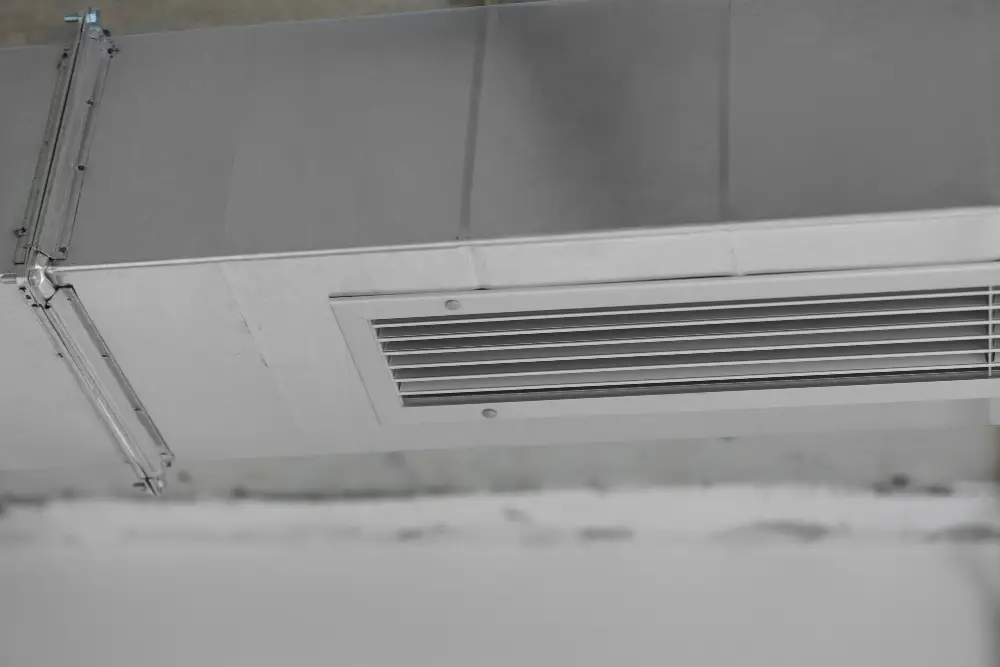
This boutique hotel refurbishment in West London required a complete upgrade to the Ducted Air conditioning system while the building remained partially occupied. The client wanted a modern, efficient solution that would improve guest comfort in bedrooms and shared areas without introducing bulky or intrusive equipment. The final design centred on multi-zone ducted air conditioning systems, carefully selected to provide independent temperature control across different parts of the hotel.
The project involved discreet Ducted units installed in guest Bedrooms, corridor zones, reception spaces, and lounge areas. In hospitality settings, visual appearance is just as important as performance, so the selected units were chosen for their compact profile, low operating noise, and ability to blend seamlessly into the ceiling layout. Each unit was connected through refrigerant lines sized to suit the load requirements of each zone, with condensate drainage planned carefully to suit the existing building structure.
Occupied Environment Coordination
A major challenge was working in an occupied environment. Our engineers coordinated the programme around guest check-ins, housekeeping schedules, and noisy works restrictions to keep disruption to an absolute minimum. Dust control measures, phased access planning, and early morning or off-peak installation windows helped the hotel remain operational throughout the refurbishment. This approach allowed the client to maintain revenue while still progressing the upgrade on time.
Energy Efficiency and Air Quality
The installed system delivered a significant improvement in energy efficiency compared with the older equipment it replaced. New inverter-driven cassette units provided better part-load performance, lower running costs, and more stable room temperatures. High-efficiency filtration was incorporated to help maintain indoor air quality in guest rooms and public spaces, which is particularly valuable in a hospitality setting where occupant comfort is directly linked to reviews and repeat business. The result was a cleaner, quieter, and more responsive cooling solution that supported the hotel’s refurbished interior and improved day-to-day operational efficiency. Click here for Hotel Air Conditioning.
This Kensington restaurant demanded a precise and robust cooling solution suitable for a high-end dining environment with strict operational standards. The client needed reliable temperature control across the kitchen and dining room, but without compromising the atmosphere, décor, or customer experience. ACL designed and installed a variable refrigerant flow system that gave the restaurant the flexibility to manage different heat loads in different parts of the building.
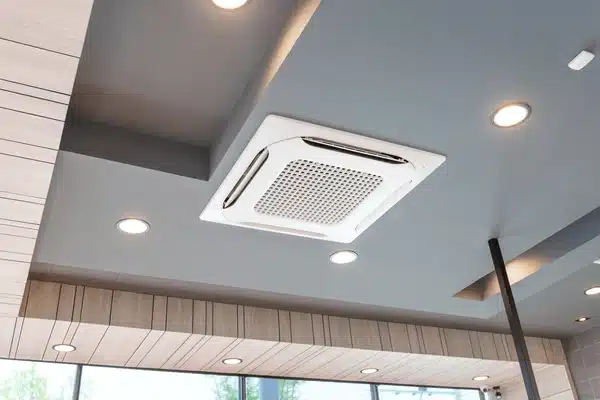
The installation included cassette units and bespoke zoning so that the kitchen could be cooled more aggressively than the dining room, where comfort and quiet operation were the priority. The kitchen generated high sensible heat loads from cooking equipment, lighting, and staff activity, while the dining room required stable background cooling without draughts or visible disruption to the interior design. VRF technology made it possible to meet both demands from a single efficient system.
Technical Balancing and Integration
From a technical perspective, the project required careful balancing of refrigerant pipe runs, indoor unit sizing, and control logic. We specified equipment to suit the occupancy profile and heat gain of each zone, while ensuring the system could respond quickly during peak service periods. The indoor cassette units were selected for quiet fan operation and effective air distribution, with suitable filtration to support a clean environment in both front-of-house and back-of-house areas.
Aesthetic Preservation and Outcome
The works were completed with sensitivity to the restaurant’s premium fit-out. All exposed services were kept to a minimum, and pipework routes were planned to preserve the visual quality of the dining room. The client wanted a solution that would be invisible to customers but powerful enough to support service on busy evenings, and that is exactly what was delivered. The final outcome was improved temperature stability, better control of kitchen conditions, and a system that supports both culinary performance and guest comfort. For you Kensington AC Install click here.
This large-scale office block project in the City of London required a comprehensive cooling and ventilation solution across multiple floors. The brief called for a central air handling unit combined with cassette fan coil units to support varied occupancy levels and the changing thermal demands of a busy commercial building. The scale of the works, alongside the need to integrate with the client’s existing building management system, made this a highly technical installation.
The central air handling unit was specified to provide reliable conditioned air to the building while maintaining efficiency and control. Cassette fan coil units were then distributed across occupied areas to deliver zone-by-zone comfort. This allowed individual departments and floor plates to benefit from more accurate temperature management, rather than relying on a single large system with limited flexibility.
Regulatory Compliance and BMS Integration
A key requirement for the project was compliance with Building Regulations and all relevant performance and safety standards. The system design took account of ventilation needs, energy efficiency expectations, access for future maintenance, and the practical demands of a live office environment. Working in a multi-tenant building meant that disruption needed to be kept low, so installation phases were carefully planned to avoid interference with daily business operations. Integration with the existing BMS was another important element; our engineers ensured the new equipment could communicate properly with the building controls, allowing facilities teams to monitor performance, adjust setpoints, and maintain efficient operation over time.
Project Outcome
The completed installation delivered a strong, reliable cooling and ventilation platform for the office block. Occupants benefited from improved air distribution and more consistent internal temperatures, while the landlord gained a system that supports operational efficiency and future flexibility. The project showed ACL’s capability to manage larger commercial schemes with the same attention to detail applied on smaller installations.
This Chelsea High Commission retrofit presented a challenging but rewarding brief. The client required a complete split system with Daikin Emura high-wall units and multi-zone controls for a large space that combined premium finishes, expansive glazing, and a highly individual architectural layout. The goal was to introduce reliable cooling and heating control without compromising the character of the Grade Listed Building or interfering with the property’s design intent.
Because these listed buildings often involve complex roof-level arrangements, long service routes, and limited plant space, the planning stage was critical. ACL assessed the architectural constraints carefully and developed a system layout that allowed the indoor units to serve multiple spaces efficiently while keeping external equipment and pipework as discreet as possible. High-wall units were selected for their strong performance and compact appearance, while the multi-zone controls allowed the client to set different conditions in service areas and guest spaces.
Architectural Preservation and Quality of Finish
Architectural preservation was an important theme throughout the project. The client wanted the installation to feel like a natural part of the High Commissioner Building rather than an afterthought. To meet that requirement, we worked closely around existing finishes, ceiling details, and joinery, ensuring that the installation was neat and sympathetic to the original design language. Every stage was coordinated to reduce disruption and protect the quality of the fit-out. The final installation delivered consistent comfort, a high-quality finish, and a solution that matched the prestige of the home. For an Expert Air Conditioning Installation in Chelsea click here.
This luxury branded female shoe shop retrofit in Mayfair required a carefully considered solution that would deliver excellent comfort without disturbing the property’s interior design. The client wanted air conditioning that would feel invisible in use, operate quietly, and provide smart control without introducing unnecessary visual clutter. To achieve this, ACL installed a combination of air diffusers and ducted ac units with flex ducting and plenums.
The shops interior featured high-spec finishes and a carefully curated design scheme, so the installation strategy had to protect the aesthetics of every room. Concealed ducting allowed services to be routed discreetly through the property, while the visible indoor units were selected for slim profiles and subtle styling. This ensured the climate system complemented rather than competed with the interior architecture.
Quiet Operation and Smart Control
Quiet operation was a major priority. In a high-end setting, noise levels matter as much as cooling performance, especially in the show merchant areas where they advertise their merchandise to high end clients. The selected units were chosen for low sound output at normal operating speeds, and the control strategy was designed to maintain a stable room temperature without frequent aggressive cycling. Smart thermostat integration gave the resident simple app-based control, allowing temperature adjustments by room and time of day. The result was a refined, efficient, and easy-to-use system that respected the shops premium appearance while providing year-round comfort. The client was particularly pleased with the balance achieved between performance and discretion.