
CONDENSATION PUMPS
Introduction – The Hidden Waterworks Behind Every Cool Breeze
When you step into a comfortably cool office or retreat to a chilled bedroom on a sweltering summer day, the first thing you notice is the refreshing air. What you rarely see—or think about—is the Refrigeration condensate pump quietly doing its job in the background.
Most homeowners and even many commercial building managers are familiar with the main components of an air‑conditioning (AC) system: the compressor, the evaporator coil, the refrigerant lines, and the thermostat. Yet the condensate pump even for water cooled units, a modest‑looking device that often lives in a closet, attic, or rooftop mechanical room, is just as crucial. Without it, the whole system can leak, corrode, and ultimately fail, leading to costly repairs, indoor‑air‑quality problems, and even structural damage.
In this post we’ll dive deep into:
- What a condensate pump is and how it works
- Why it’s indispensable for both residential and commercial AC units
- Key design considerations and common types
- Installation best practices and maintenance tips
- Real‑world scenarios that illustrate its significance
- Future trends and smart‑pump innovations
By the end, you’ll understand why a condensate pump deserves a place in your HVAC maintenance checklist, and how to keep it running smoothly for years to come.
1. The Basics – From Moist Air to Dripping Water
1.1 Where Does the Water Come From?
Air‑conditioners function by removing heat and moisture from indoor air. As warm interior air passes over the cold evaporator coil, the temperature of the air drops below its dew point. Moisture in the air condenses on the coil surface—just like water droplets forming on a cold glass of lemonade. This liquid, called condensate, drips into a pan beneath the coil.
In a perfectly level, gravity‑fed system, the condensate simply runs out through a drain line that terminates at a floor drain, a utility sink, or the building’s sewer system. But not every installation can rely on gravity alone.
1.2 The Role of the Condensate Pump
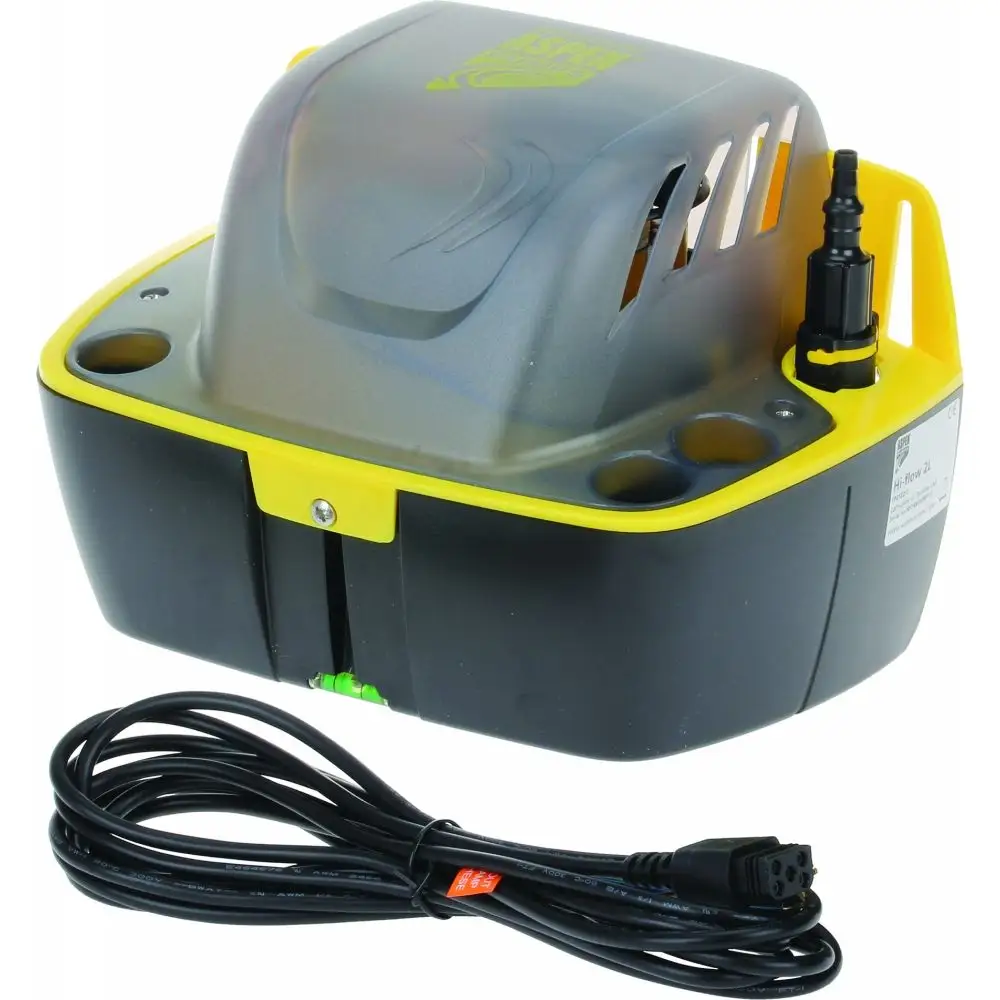
A condensate pump is essentially a small, self‑contained water‑pumping system that collects condensate from the drain pan and forces it to a remote discharge point—often a lower‑lying floor drain, a sewer clean‑out, or an exterior location. The pump activates automatically when the water level reaches a preset threshold, pushes the water through a dedicated tubing system, and then shuts off once the pan is empty.
Think of it as the “heart” of the AC’s water‑removal circuit. When gravity can’t do the job—because the drain pan is below the discharge line, the building’s layout is constrained, or the system sits on a roof—the condensate pump steps in to keep the water moving.
2. Why Condensate Pumps Are Essential
2.1 Preventing Water Damage
Standing water in a drain pan can overflow, soaking ceilings, walls, insulation, and even structural wood. In commercial spaces with high‑capacity units, overflow can happen within minutes. A well‑maintained pump eliminates this risk by ensuring continuous removal.
2.2 Protecting the AC Unit Itself
Excess water can corrode the evaporator coil, damage the fan motor, and promote mold growth inside the unit. Over time, this reduces heat‑transfer efficiency, forcing the system to work harder, spiking energy bills, and shortening equipment lifespan.
2.3 Maintaining Indoor Air Quality
Condensate is a breeding ground for microorganisms—mold, bacteria, and fungi. If the pump fails and water stagnates, spores can be drawn back into the air stream, degrading indoor air quality and potentially triggering health issues for occupants.
2.4 Compliance with Building Codes
Many local building codes and insurance policies now require condensate removal for HVAC installations, especially in multi‑family or commercial structures. A proper condensate pump design demonstrates code compliance and can reduce liability.
2.5 Enabling Design Flexibility
Architects and engineers can place AC units wherever space, aesthetics, or load‑distribution demands—on rooftops, interior ceilings, or isolated mechanical rooms—without worrying about gravity‑drain constraints. This flexibility opens up new possibilities for building design, especially in dense urban environments.
3. Types of Condensate Pumps – Choosing the Right Tool for the Job
| Pump Type | Typical Flow Rate | Power Source | Ideal Applications |
|---|---|---|---|
| Submersible (Inline) Pump | 30–100 GPM | 115 V AC | Residential split‑systems, small commercial units, rooftop packages |
| Self‑Priming Centrifugal Pump | 50–200 GPM | 115–230 V AC | Large commercial chillers, high‑capacity rooftop units |
| Sump‑Style Pump | 10–50 GPM | 115 V AC | Deep basins, heavy‑duty industrial condensate removal |
| Battery‑Backed / UPS‑Enabled Pump | Varies | 12‑24 V DC (backup) | Critical facilities (hospitals, data centers) where power loss must not halt condensate removal |
| Smart / IoT‑Enabled Pump | Varies | 115 V AC, Wi‑Fi/BLE | Buildings with predictive maintenance platforms, energy‑monitoring dashboards |
3.1 Submersible vs. Self‑Priming – The Core Distinction
- Submersible pumps sit directly in the condensate pan, allowing them to start instantly when water is present. They are compact, quiet, and excellent for tight spaces.
- Self‑priming centrifugal pumps sit outside the pan and use a separate reservoir or “sump” to draw water. They handle higher flow rates and can move water over longer vertical distances, making them suitable for large commercial applications.
3.2 Sensing & Control Options
- Float Switches: The most common trigger; a simple buoyant arm rises with water and closes an electrical circuit to start the pump.
- Electronic Level Sensors: Provide more precise control, can detect low water levels, and can integrate with building automation systems (BAS).
- Variable‑Speed Drives (VSDs): Adjust pump speed based on real‑time condensate volume, reducing energy use and wear.
4. Installation Best Practices – Getting It Right the First Time
4.1 Sizing the Pump Correctly
- Calculate peak condensate flow: A rule‑of‑thumb is 0.1 gallons per minute per ton of cooling capacity under worst‑case humidity. For a 5‑ton unit, design for at least 0.5 GPM, adding a safety factor of 1.5–2×.
- Account for vertical lift: Each foot of lift adds hydraulic head; ensure the pump’s head rating exceeds the total vertical distance plus friction losses in tubing.
4.2 Proper Placement
- Horizontal vs. Vertical Installation: Submersible pumps should sit level, with the inlet clearly submerged in the pan. Avoid sloping the pump itself, which can cause cavitation.
- Vibration Isolation: Mount pumps on rubber grommets or vibration pads to prevent noise transmission to walls and ceilings.
- Drain Line Routing: Use PVC ½‑inch or 1‑inch tubing with a slight downward slope (½‑inch per foot) wherever possible. Secure tubing with clamps to prevent movement.
4.3 Electrical Considerations
- Dedicated Circuit: A 15‑amp circuit with GFCI protection is typical for residential units. For commercial settings, follow NEC Article 422 and local code.
- Backup Power: In critical facilities, install an UPS or battery backup so the pump continues operating during a power outage.
4.4 Condensate Line Treatment
- Trap Prevention: Add a condensate trap at the pump discharge to avoid siphoning. A simple 45‑degree elbow with a vertical leg works well.
- Algae & Mold Guard: Install a UV‑sterilization sleeve or an antimicrobial filter in the line for humid climates where algae growth is common.
5. Maintenance – Keep the Pump Pumping
Even the most robust pumps can fail without regular attention. Here’s a concise maintenance checklist:
| Frequency | Task | Why It Matters |
|---|---|---|
| Monthly | Inspect float switch & tubing for cracks, mineral deposits, or algae buildup | Early detection of blockages prevents overflow |
| Quarterly | Clean pump inlet screen, verify pump priming, test automatic start/stop | Keeps mechanical parts free of debris |
| Annually | Perform a full flow test (measure water pumped per minute), lubricate motor bearings if applicable, verify electrical connections | Confirms pump can handle peak load |
| Every 3 Years | Replace the condensate pump (most manufacturers recommend a 3‑year service life) | Proactive replacement avoids catastrophic failure |
Pro Tip: Many modern smart pumps send alerts to a mobile app when the float switch is triggered repeatedly—signalling a possible blockage or higher-than‑expected humidity. Treat these alerts as early warning signs rather than nuisance notifications.
6. Real‑World Scenarios – When the Pump Saves the Day
6.1 Residential Rooftop Package Unit
A suburban homeowner installed a rooftop HVAC package on a sloped roof. Gravity couldn’t get the condensate down to the basement floor drain. A submersible condensate pump installed in the unit’s drain pan now pushes the water through a 15‑foot PVC line to the basement, preventing water stains on the ceiling and eliminating the need for costly roof penetrations.
6.2 High‑Rise Commercial Office
A 20‑story office building uses a central chilled water plant with multiple rooftop air handlers. Each handler’s condensate is routed to an inline self‑priming pump that discharges into a common vertical stack. When one pump failed, the building experienced a drip‑through on the 12th floor ceiling. The facility manager’s swift replacement of the pump avoided a multi‑day service interruption and saved the tenant from potential litigation over water damage.
6.3 Data Center with Redundant Cooling
In a Tier‑III data center, any water ingress threatens critical IT equipment. The HVAC engineer specified a dual‑pump configuration with battery backup for each cooling unit. Even during a scheduled power maintenance, the pumps continued to operate, confirming the design’s resilience and protecting the facility’s Service Level Agreement (SLA).
7. Emerging Trends – The Future of Condensate Management
7.1 IoT‑Enabled Predictive Maintenance
Manufacturers now embed Wi‑Fi/BLE modules in condensate pumps, enabling real‑time flow monitoring, power consumption analytics, and fault diagnostics. Integration with platforms like BuildingOS, Honeywell Forge, or Schneider Electric EcoStruxure allows facilities managers to schedule pump replacement before failure occurs.
7.2 Energy‑Harvesting Pumps
Some next‑generation pumps incorporate micro‑hydro generators that capture a fraction of the water’s kinetic energy, feeding it back to the pump’s motor. Although still in pilot phases, these designs could reduce the pump’s electricity draw by up to 10 %.
7.3 Advanced Materials
Carbon‑fiber impellers and ceramic bearings are being trialed to extend pump life in corrosive condensate environments (e.g., coastal installations with salty air). The longer service life translates into lower total cost of ownership.
7.4 Integrated Condensate Reuse
In sustainable “green” buildings, condensate is sometimes collected for non‑potable reuse, such as flushing toilets or irrigation. This requires larger capacity pumps, filtration, and UV treatment, turning what was once waste into a valuable resource.
8. Bottom Line – Don’t Overlook the Little Pump
While the fan blows cool air and the compressor removes heat, the condensate pump silently guarantees that the moisture removed from your indoor environment doesn’t become a problem of its own. Its significance can be summarized in three key takeaways:
- Protects property and equipment by preventing water damage and corrosion.
- Preserves indoor air quality by removing stagnant water that could foster mold.
- Enables design flexibility—allowing HVAC engineers to place units wherever they’re needed most.
By selecting the right pump type, installing it according to best‑practice guidelines, and committing to a regular maintenance schedule, you can keep your HVAC system performing at peak efficiency for years to come.
Frequently Asked Questions (FAQ)
Q1. How can I tell if my condensate pump is failing?
A: Look for water pooling around the indoor unit, frequent activation of the float switch, unusual noises, or pump motor that runs continuously without shutting off.
Q2. Can I use a regular household sump pump as a condensate pump?
A: Technically possible, but not advisable. Sump pumps are not designed for continuous low‑flow operation and may lack the necessary corrosion‑resistant materials.
Q3. What temperature range can condensate pumps operate in?
A: Most residential pumps are rated for 0 °F to 140 °F (‑18 °C to 60 °C). For extreme climates, choose a pump with an extended temperature rating.
Q4. Do condensate pumps require a dedicated drain line?
A: Yes. The discharge line should be sized for the pump’s flow rate and routed to a proper drain or sewer connection, with a trap to prevent backflow.
Q5. How often should I replace a condensate pump?
A: Manufacturer guidelines typically suggest 3–5 years, but actual life depends on operating conditions, maintenance, and pump type. Monitoring runtime hours can help determine optimal replacement timing.
Take Action Today
- Audit your existing system: Locate the condensate pump (or verify if one is needed) and inspect its condition.
- Schedule a preventive maintenance visit: A qualified HVAC technician can test flow rates, clean the pump, and replace worn components.
- Consider a smart upgrade: If you’re managing a commercial property, investing in IoT‑enabled pumps can save you money in the long run through predictive maintenance and energy analytics.
Remember, a comfortable indoor environment is a partnership between cooling technology and water‑management technology. Give the condensate pump the attention it deserves, and it’ll keep your AC humming, your building dry, and your occupants happy.